
Cross-Country Safety Isn't Bravery. It's a Plan.
Jul 01, 2026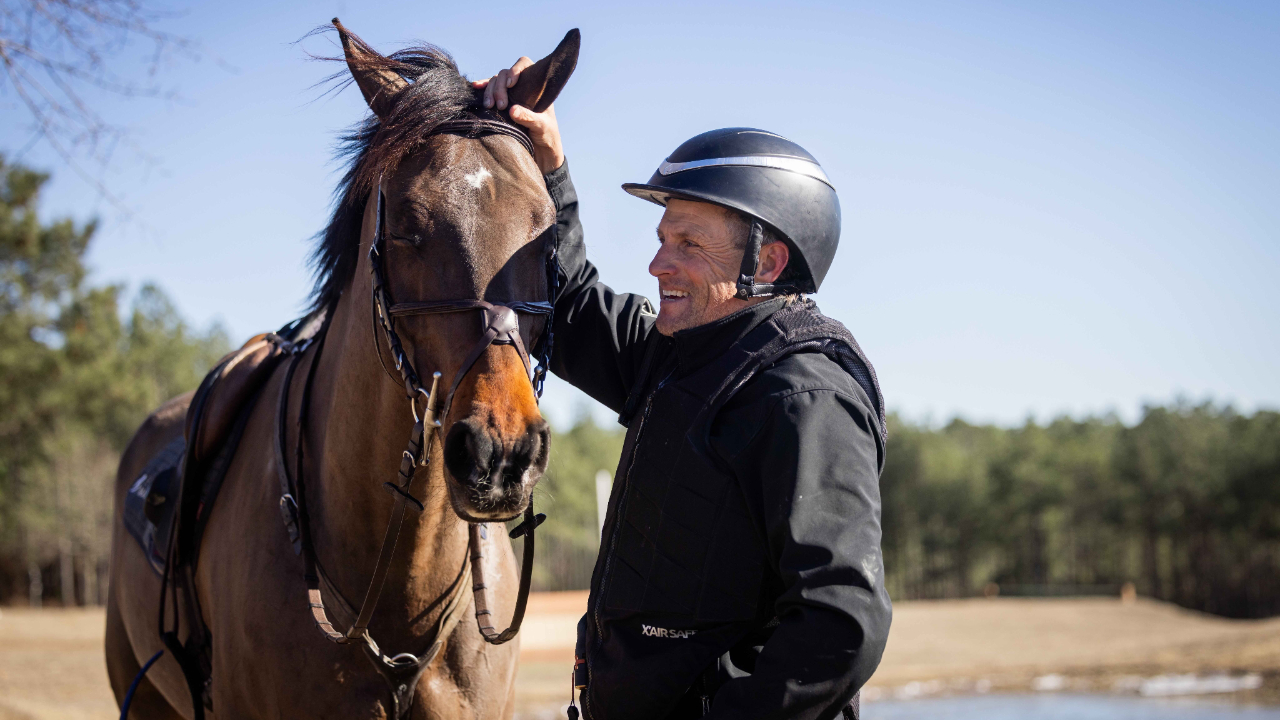
Cross-Country Safety Isn't Bravery. It's a Plan.
By Boyd Martin — multi-Olympic eventer, former world number one, head of the Performance Riders Boyd Martin Eventing Program
The quick version: The safest cross-country riders aren't the bravest ones. They're the most prepared. Good gear, settled horses, and schooling that's a notch harder than what you compete turn a scary day into a manageable one.
Mate, let me tell you something after 18 concussions and more surgeries than I can count: bravery is the most overrated thing in eventing. The riders who scare me are the brave ones with no plan. The ones I'd back all day are the prepared ones who look calm because they've already done the hard thinking at home. I've represented the United States at the highest level of this sport, and I've also been carted off enough cross-country courses to know exactly where the risk hides, and it's almost never where people think.
Cross-country will always have risk in it. That's the sport. But a huge slice of that risk is stuff you can manage before you ever leave the start box, and most of it has nothing to do with being tough, if that makes any sense.
Does better gear actually make you safer, or just feel safer?
Both, and that matters more than people realise. An air vest is the single best bit of kit I can point a rider toward. When something goes pear-shaped, it turns what could've been a nasty one into a non-event. I've walked away from falls I had no business walking away from, and the gear is a big part of why. Recovered well, mate. Recovered well, because the kit did its job.
Same logic runs right through the kit list. Grip underfoot so the horse trusts the ground and doesn't back off. A neck strap if it gives you a sense of security, because confidence is a safety tool, not a soft one. None of this is about looking the part. It's about stacking the odds in your favour so that when a mistake happens, and it will, the margin is on your side.
Why does preparation actually lower the risk, not just the nerves?
Here's the bit worth understanding, because it's not just a feel-good line. On cross-country, when a stride goes missing at speed, you do not get time to think. Thinking is too slow. You get whatever you've trained deep enough to be automatic, your position, your balance, your reaction to leave the leg on or steady the canter. Preparation is literally what loads those responses into the part of your brain that fires without you. So the prepared rider isn't braver in the moment, they've just got more good instincts queued up and ready to go. The brave rider with no plan is relying on luck, and luck runs out.
What's the one habit that makes competition day easier?
School a notch above where you compete. If you event at one level, do your homework a level up. Not recklessly, not every day, but enough that the questions you meet on competition day feel familiar instead of frightening.
Here's why it works. The horse that's seen a bigger, trickier question at home walks up to the competition fence already believing the answer is yes. The rider who's ridden the harder line in schooling isn't holding their breath on course. Confidence isn't a personality trait you're born with. It's a thing you build, rep by rep, until the competition feels like the easy version of what you've already done.
How do you keep a fresh horse from making the decisions for you?
A fresh horse is a safety problem dressed up as an energy problem. Give it somewhere to put that energy before you ask anything technical of it. Let it move, let it settle, give it time to arrive mentally before you point it at something solid. A horse that's still buzzing isn't being naughty, it just hasn't caught up with the day yet, and rushing that is how riders get caught out.
The same goes for the course itself. Walk it properly. Know where your horse might back off, know where it might get strong, and have a plan for both before you're sitting on it. Reactive riding is where it goes wrong. The plan is what keeps a wobble from becoming a fall.
Is riding alone really that risky?
It's the one I'd push back on hardest. Jumping on your own is the kind of risk with no upside. A fall when no one's around can turn a small problem into a serious one in a hurry. If you ride alone, at the very least carry a phone, tell someone where you are and when you'll be back. It's not dramatic. It's just sensible.
The thing worth remembering
You don't get safe by being braver. You get safe by being prepared, by riding good horses in good gear, by doing your homework one level up, and by having a plan for the day before the day arrives. Do that, and you free yourself up to actually enjoy the gallop, which is the whole reason we do this daft sport in the first place.
FAQ
Do I really need an air vest, or is a body protector enough? A certified body protector is the baseline. An air vest on top of it is the single upgrade I'd push hardest, because of how much it softens the falls you can't predict. Treat it as part of riding well, not an optional extra.
Is schooling above my level safe, or am I asking for trouble? Done occasionally, with a settled horse and ideally someone on the ground, it's one of the safest things you can do, because it makes competition day feel small. The trouble comes from doing it tired, alone, or every single ride.
My horse spooks and rushes at competitions. Training problem? Usually it's just a sharper version of your horse, not a new fault. Anticipate it, give the energy somewhere to go in the warm-up, and plan for it rather than reacting to it on course.
What's the single best anti-nerves habit? A written competition-day plan, from the lorry to the start box, that you've said out loud. Saying it makes it stick, and it turns a hundred small decisions into one routine you can lean on.
How fit does my horse need to be to be safe across the country? Fit enough that fatigue isn't making decisions for it. A tired horse makes flat, late, dangerous jumps. Build the fitness so the last fence feels like the first, and you've removed a big chunk of the risk.
Is it worth paying a better rider to sit on my tricky horse? Absolutely, and it's a tool, not a weakness. Letting a sharper set of eyes or a more experienced rider show you the feel can save you months and keep you safe while you learn it.
About Boyd Martin. Boyd is a multi-Olympic eventer and former world number one who has represented the United States at the highest level of the sport. He leads the Performance Riders Boyd Martin Eventing Program.
Want the calm-under-pressure version of cross-country?
Watch Boyd's Pressure-Proof Cross Country Workshop
Read more: How to stay calm on cross country when the questions come fast
Read more: Facing your fears on cross country (and beyond)
This is the kind of straight-talking coaching we do every month inside the Boyd Martin Eventing Program, for the five-sixths of the time you're training on your own, without a coach in the ring.
